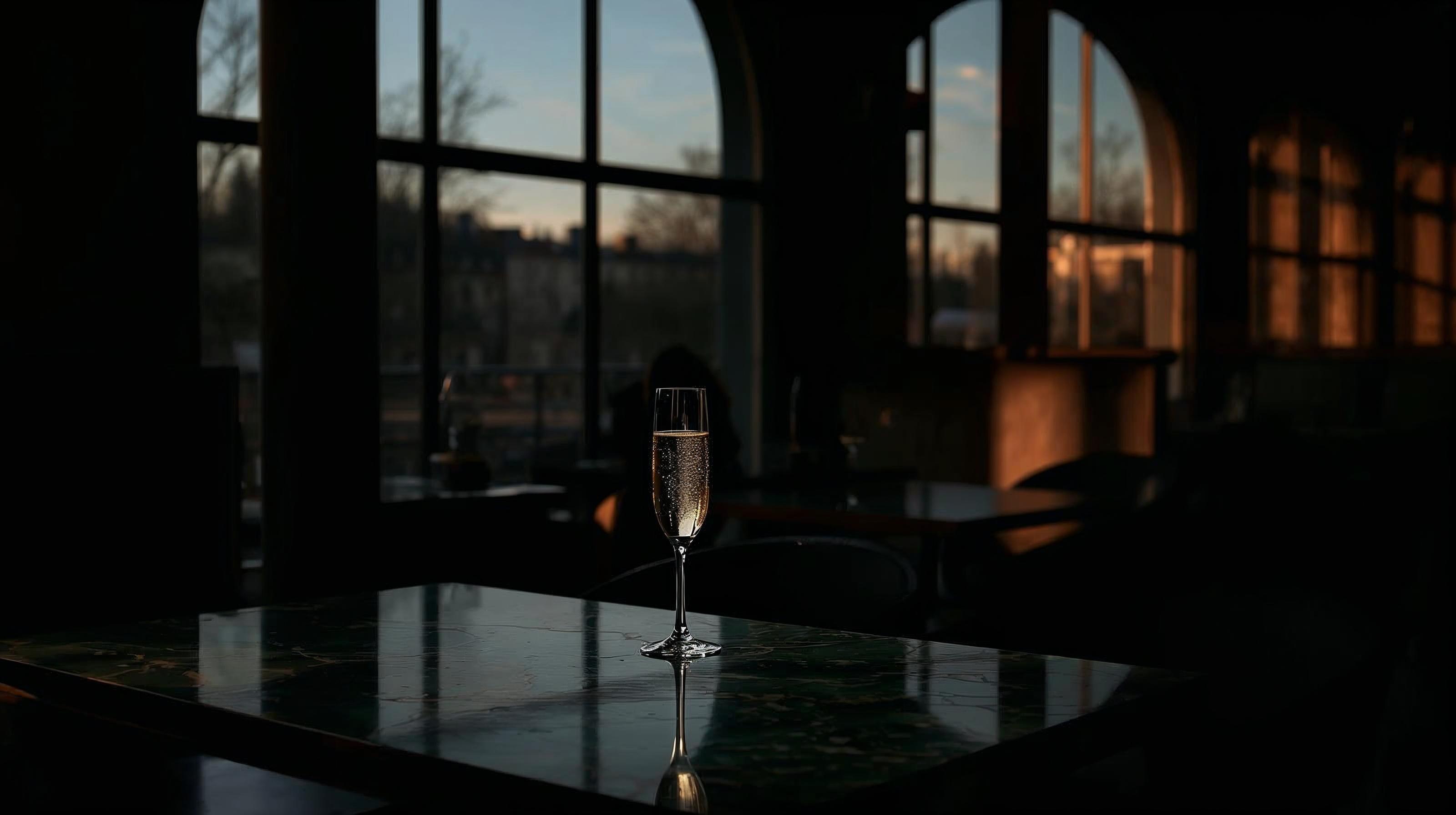

Not every important design decision is dramatic. Some of the most meaningful ones are nearly invisible: the placement of a chair near morning light, the width of a passage, the table that quietly receives keys at the end of the day, the small distance between a bedside lamp and a stack of books. These gestures are rarely what photograph first, but they are often what make a home feel right.
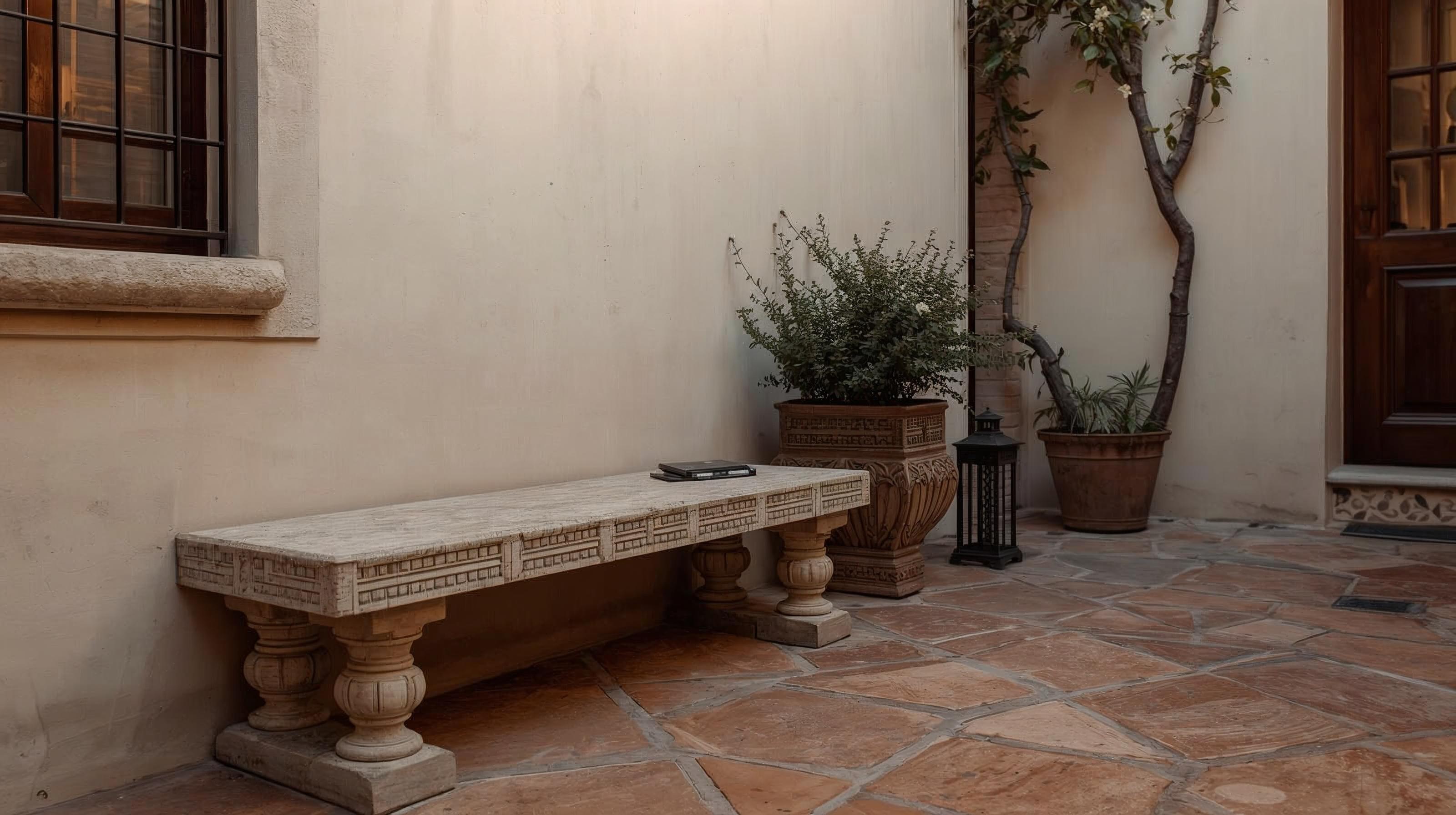
This is the architecture of daily ritual - not architecture in the formal sense, but the quieter structure of living. It is the choreography of ordinary acts. Where coffee is poured. Where reading happens. Where a coat is placed without thought. Where the body knows, almost instinctively, where to go at dusk.
A home begins to feel grounded when it supports these rituals without friction. The entry is not simply an entry; it is the place where arrival becomes transition. A reading chair is not just seating; it becomes permission to pause. A bedside table is not an accessory; it is part of how the day closes. These small arrangements shape mood more than we often realize.

Many of the most compelling spaces outside the home understand this instinctively. A restaurant that places a candle exactly where the eye can settle. A hotel room that leaves enough quiet space beside the bed to feel unhurried. A cafe where the window seat becomes the obvious place to stay with a book. These places are memorable not because they are over-designed, but because they support life gently.
When designing a home, we are often tempted to focus on the visible finish before considering the lived sequence. But the rooms that endure are usually the ones that honor how someone actually moves through the day. They allow space for return. They understand repetition. They make routine feel intentional rather than accidental.
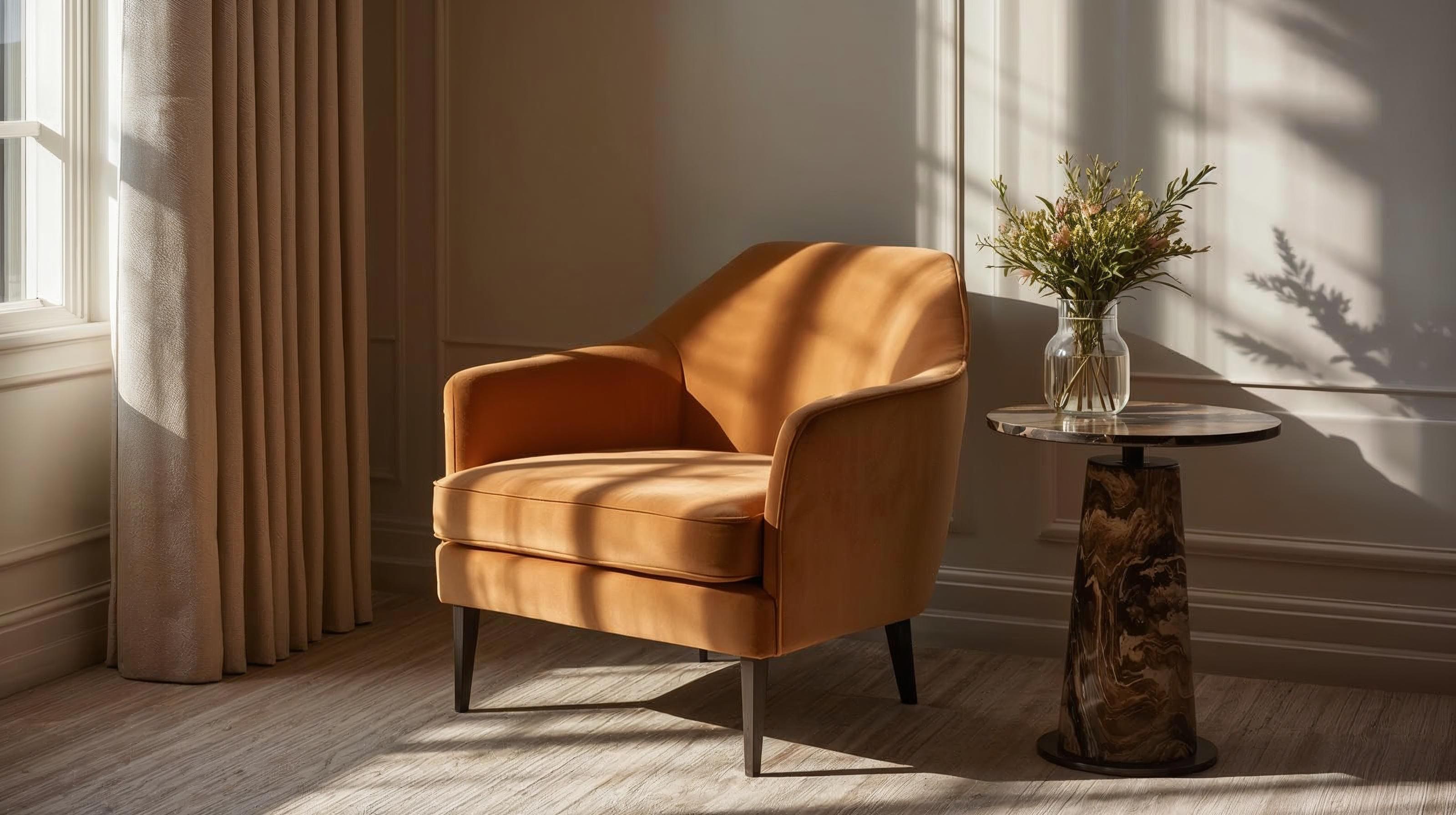
The architecture of daily ritual is not loud. It does not announce itself. It simply makes life feel more held.
And that, in many ways, is what people are most deeply responding to when they say a home feels good.
A home is remembered by how it holds a life.