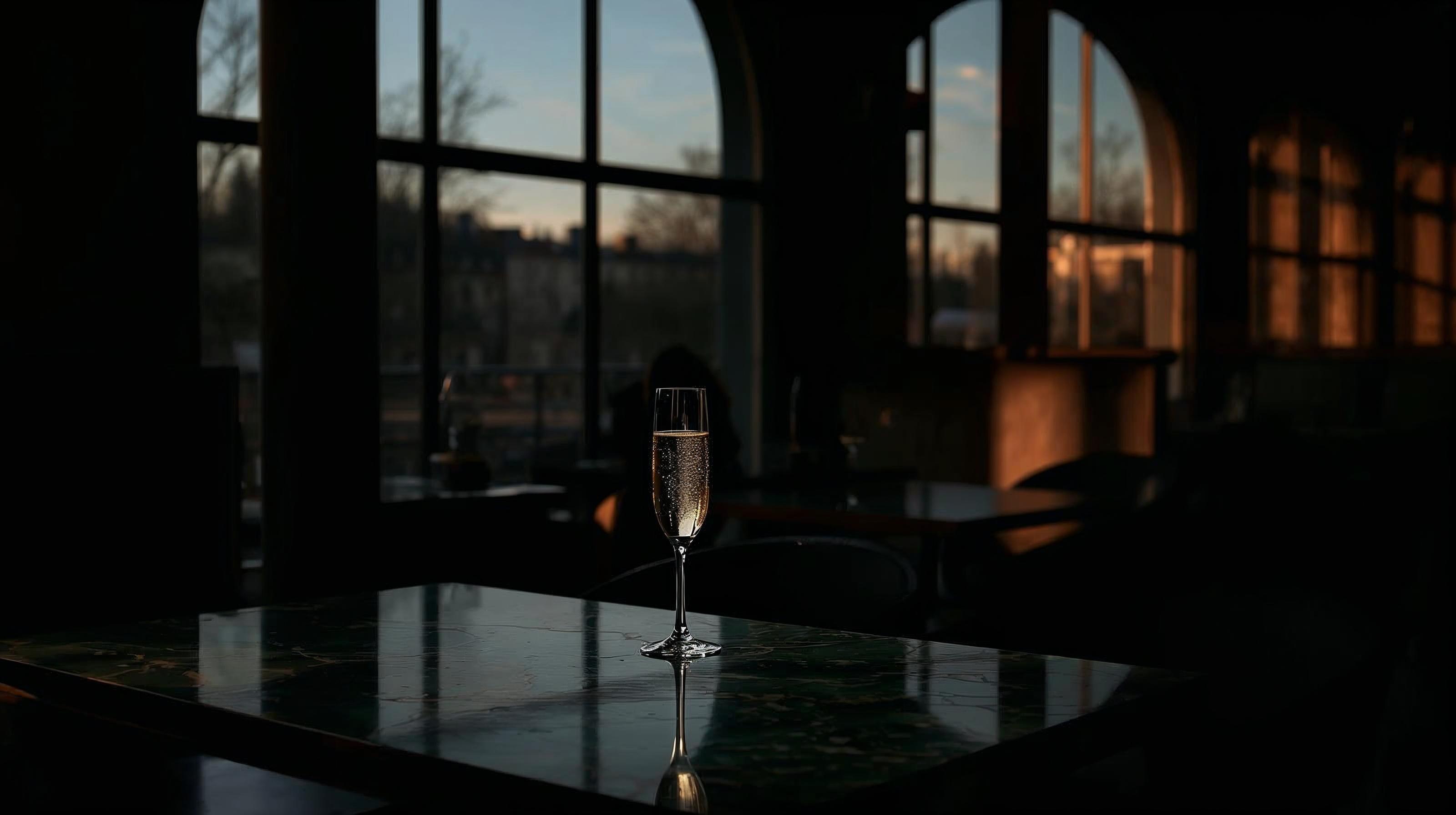
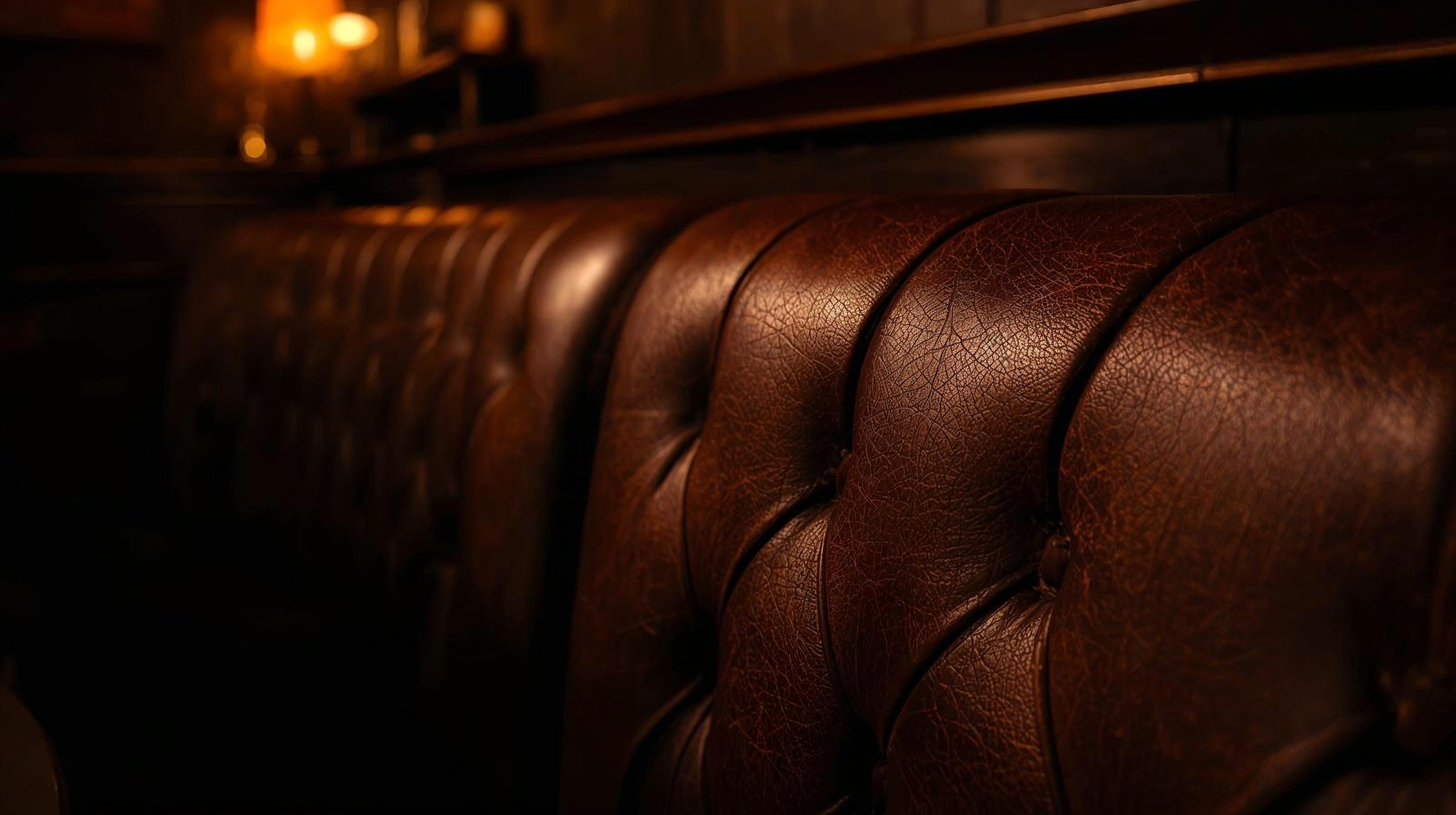
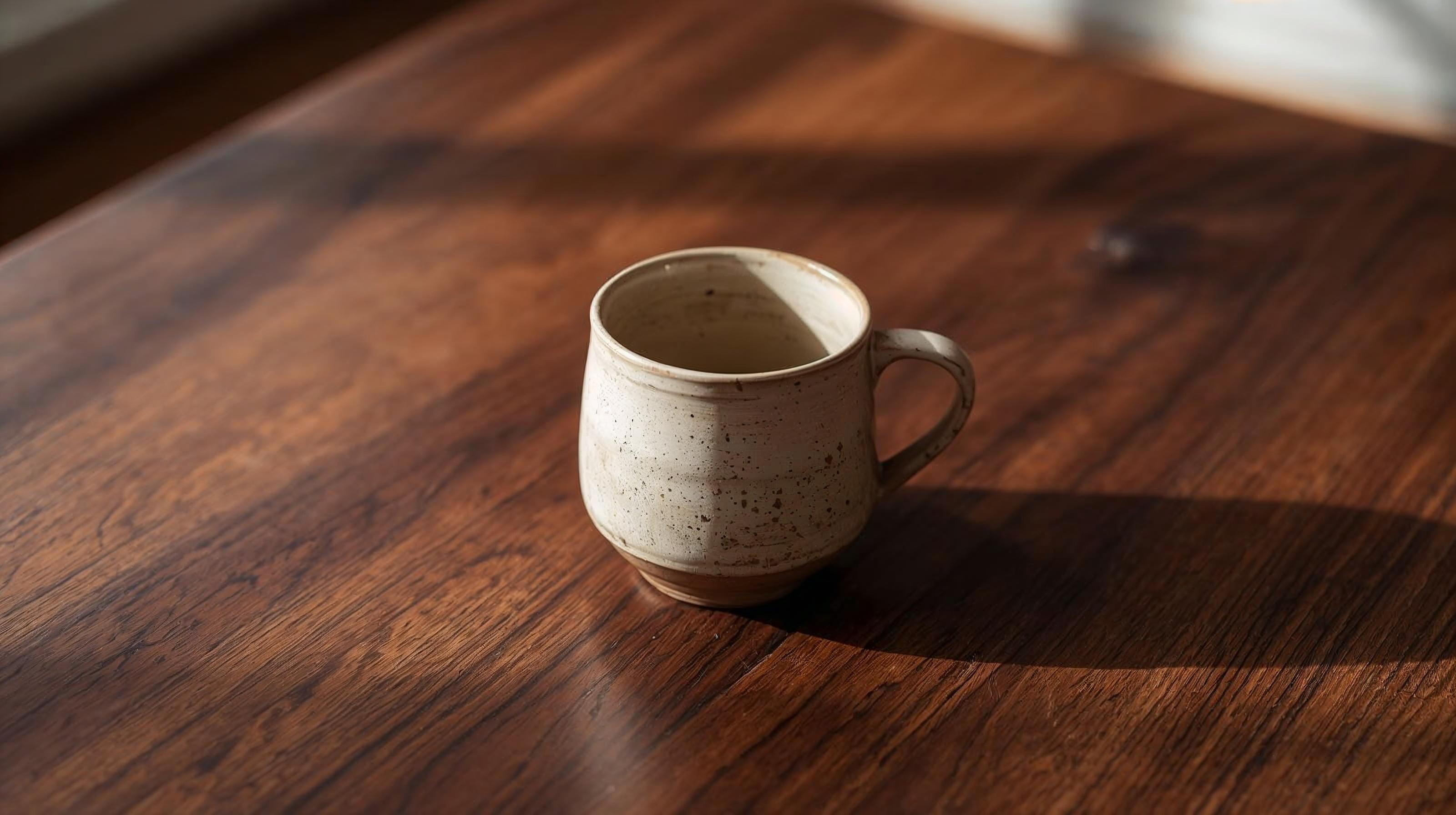
Texture is often understood as a visual layer, but it is also a form of memory. Long before we identify a particular style, we remember how something felt: the grain of a paper menu, the weight of a linen napkin, the softened leather of a banquette worn by time, the matte surface of handmade ceramic held between both hands. Texture reaches us before analysis does. It is immediate, bodily, and quietly emotional.
This is why some spaces feel flat even when they are beautiful on paper. They may have proportion, palette, and clean lines, but without material depth, they remain distant. Texture is what gives an interior its pulse. It slows the eye. It asks us to linger. It makes a restrained room feel layered rather than sparse.
In many ways, texture is what makes simplicity possible. When a palette is soft and the number of objects is limited, materiality becomes the conversation. Limewash, raw stone, dry wood, wool, brushed metal, paper, leather, silk - each holds light differently, ages differently, and suggests a different kind of life. Some absorb. Some reflect. Some soften with touch. Some record time.
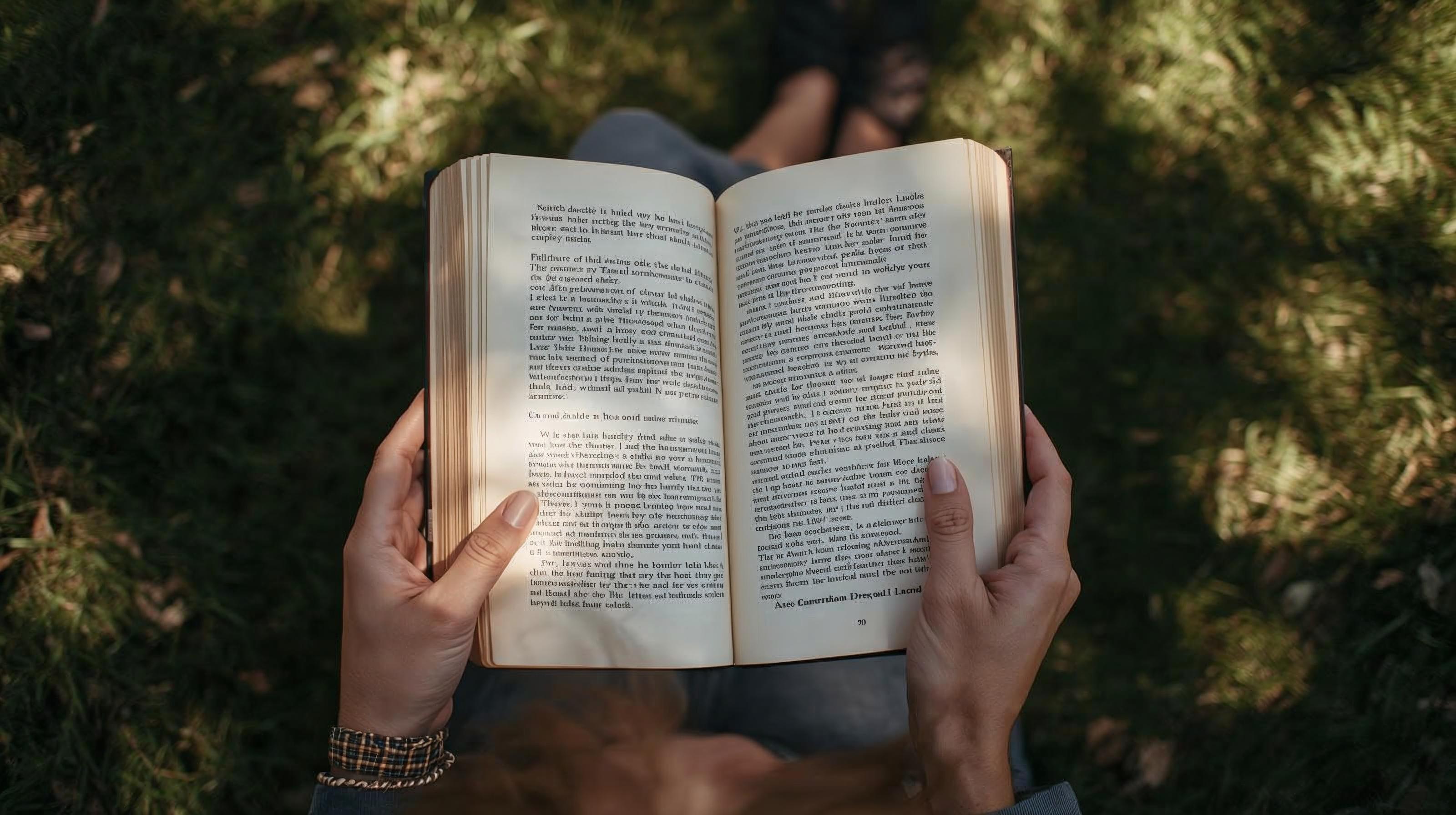
The world offers endless lessons in this. A restaurant with worn velvet seating feels different from one with honed wood and linen. A beloved book with thick, uncoated pages leaves a different impression than a glossy new edition. Even the experience of reading is shaped by texture - the slight resistance of paper, the sound of a turning page, the quiet intimacy of something made to be held. These are not small things. They are often the beginning of atmosphere.
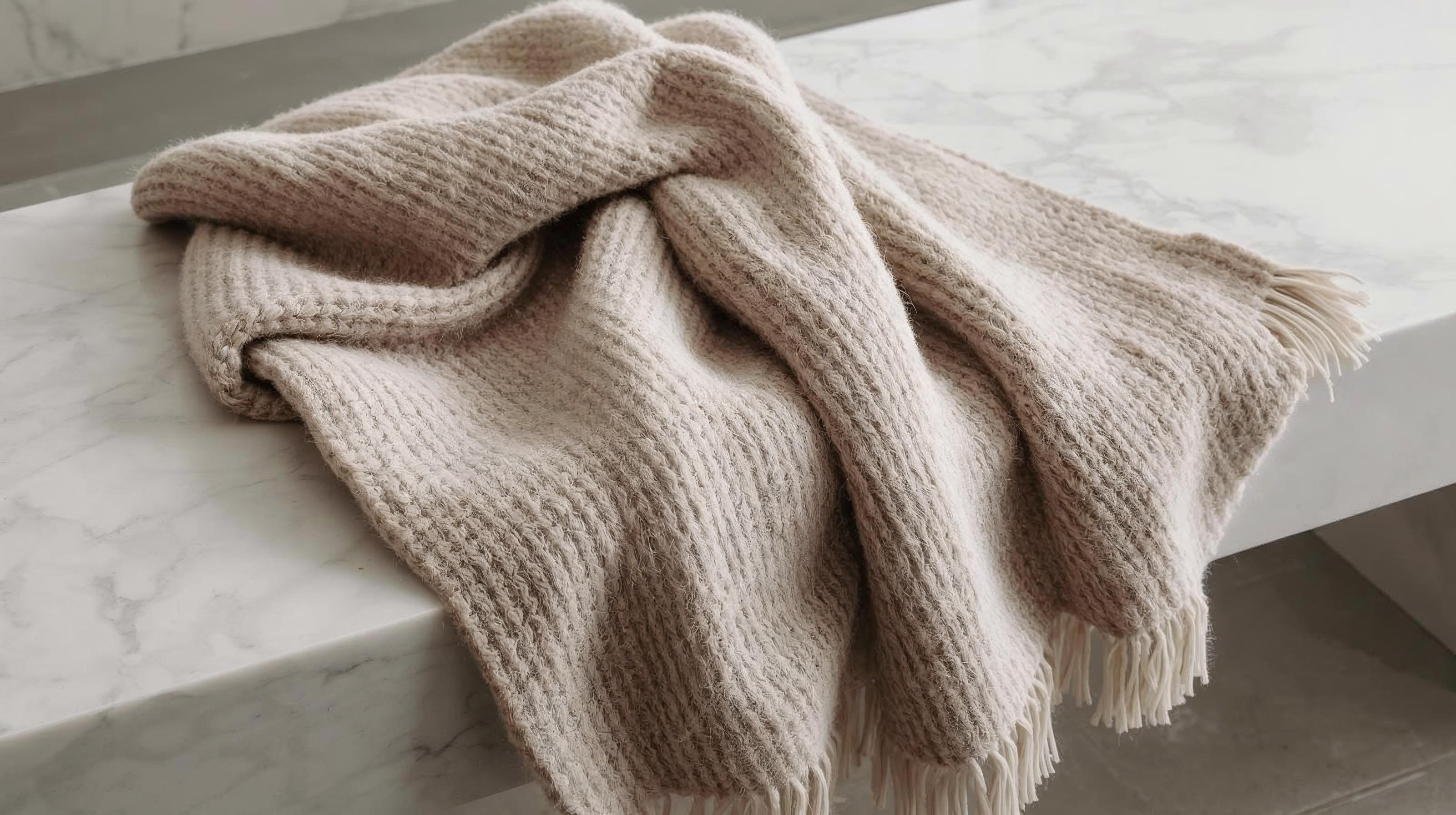
At home, texture creates the conditions for depth without excess. A room does not need to be filled to feel complete. It needs enough variation for the light to move across. Enough tactility for the eye to rest on. Enough truth in the materials to feel lived with over time.
What we call richness is often not color or ornament at all. It is the accumulation of surfaces that carry feeling.
Depth is often built through surface, not spectacle.